Tinnitus — often described as ringing, buzzing, hissing, or whistling in the ears — affects millions of people worldwide. For many individuals, tinnitus becomes more noticeable in quiet environments and can interfere with sleep, concentration, and daily life. Fortunately, modern hearing aids are now designed not only to improve hearing but also to provide effective tinnitus relief.
If you are searching for the best hearing aids for tinnitus relief, this guide explains how tinnitus hearing aids work, their key features, expert recommendations, and how to choose the right device for your needs.
What Is Tinnitus?
Tinnitus is the perception of sound without an external source. Some people hear:
- Ringing
- Buzzing
- Humming
- Clicking
- Roaring
- Whistling
Tinnitus may occur due to:
- Age-related hearing loss
- Noise exposure
- Ear infections
- Earwax blockage
- Stress and anxiety
- Certain medications
In many cases, tinnitus is linked with hearing loss, which is why hearing aids are often one of the most effective treatment options.
How Hearing Aids Help With Tinnitus Relief
Modern tinnitus hearing aids do more than amplify sound. They help reduce tinnitus perception by improving external sound input and using built-in sound therapy features.
Benefits of Hearing Aids for Tinnitus
- Amplify surrounding sounds to mask tinnitus
- Reduce stress caused by constant ringing
- Improve speech clarity and communication
- Help the brain focus less on tinnitus sounds
- Support better sleep and concentration
- Offer customizable sound therapy programs
Many advanced models include tinnitus masking sounds such as:
- White noise
- Ocean waves
- Soft nature sounds
- Pink noise therapy
Key Features to Look for in Tinnitus Hearing Aids
Before buying a hearing aid for tinnitus, look for these important features:
1. Tinnitus Masking Technology
Built-in sound generators help distract the brain from tinnitus sounds.
2. Noise Reduction
Advanced noise filtering improves listening comfort in noisy environments.
3. Bluetooth Connectivity
Allows users to stream relaxing sounds, music, or therapy apps directly into the hearing aids.
4. Smartphone App Control
Lets users customize tinnitus settings and sound therapy easily.
5. Rechargeable Batteries
Convenient and cost-effective for daily use.
6. AI-Based Sound Processing
Automatically adjusts sound settings according to surroundings.
Best Hearing Aids for Tinnitus Relief in 2026
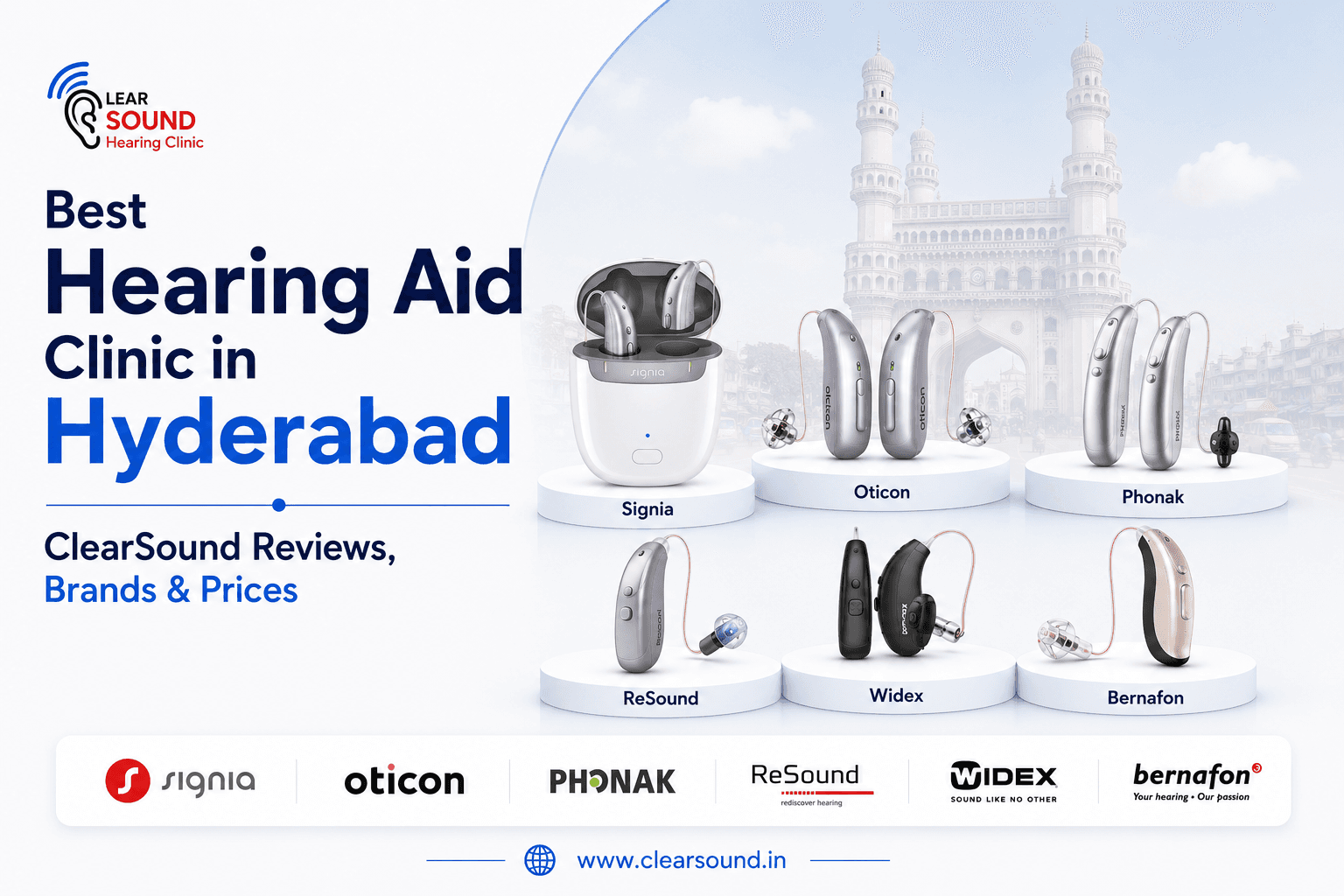
Here are some expert-recommended hearing aids known for effective tinnitus management and hearing improvement.
1. ReSound Hearing Aids
ReSound hearing aids are highly recommended for tinnitus sufferers because of their advanced sound therapy features and smartphone integration.
Why Experts Recommend It
- Built-in tinnitus sound generator
- Nature sound therapy options
- Excellent Bluetooth streaming
- Personalized app controls
- Clear speech enhancement
Best For
- Mild to severe tinnitus
- Tech-savvy users
- Users wanting app-based customization
2. Phonak Hearing Aids
Phonak devices are known for natural sound quality and strong tinnitus support programs.
Key Highlights
- Tinnitus Balance feature
- Great speech understanding
- Comfortable for all-day wear
- Universal Bluetooth connectivity
Best For
- Active users
- Moderate to severe hearing loss
- Tinnitus with communication difficulties
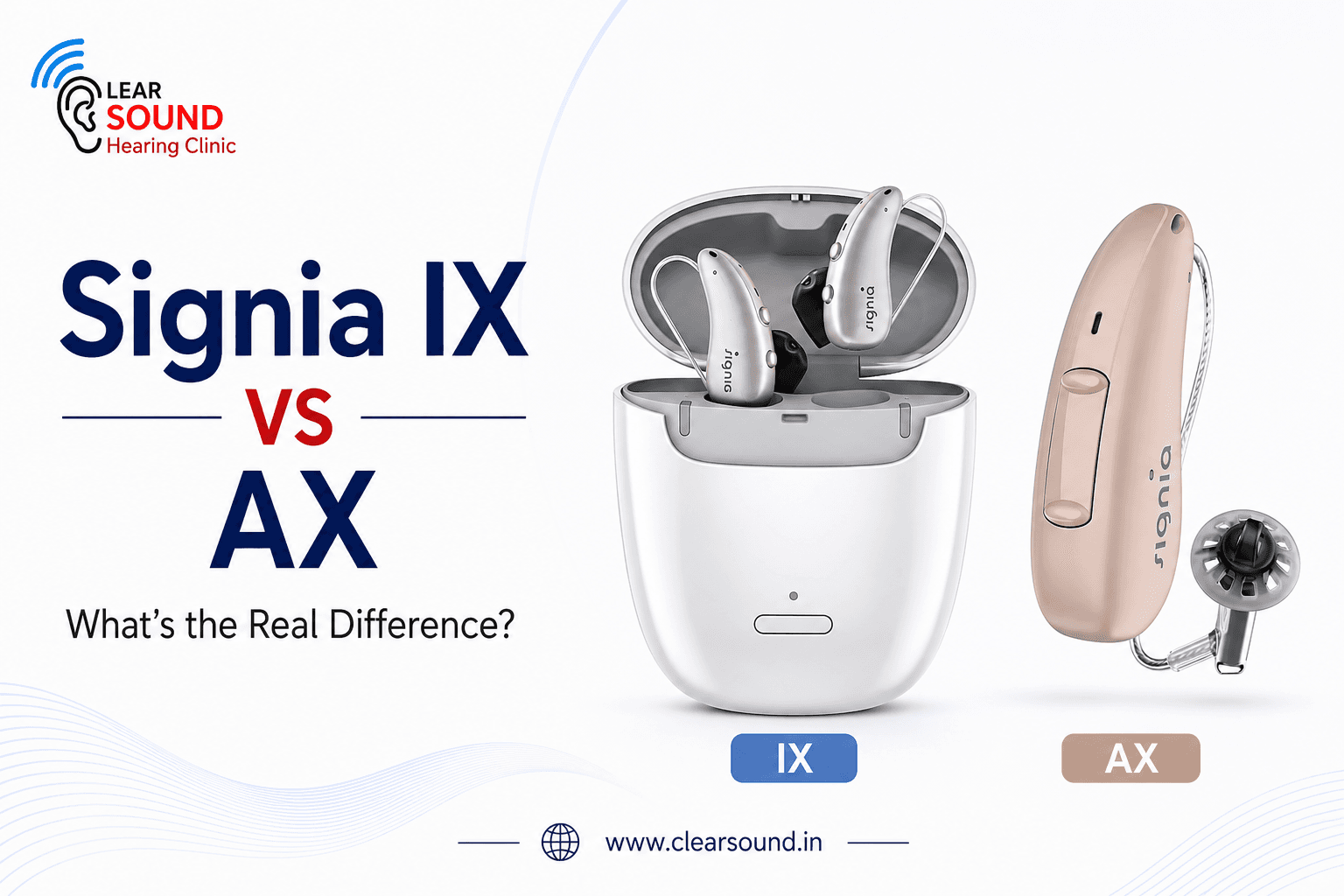
3. Signia Hearing Aids
Signia combines AI technology with tinnitus therapies for better listening comfort.
Features
- Notch therapy for tonal tinnitus
- AI-powered sound adjustments
- Rechargeable models available
- Slim and stylish designs
Best For
- Persistent ringing tinnitus
- Users wanting discreet hearing aids
- Professionals and working adults
4. Widex Hearing Aids
Widex is especially popular for tinnitus management because of its Zen Therapy technology.
Advantages
- Relaxing fractal tones
- Advanced tinnitus management programs
- Smooth natural sound quality
- Customizable therapy sessions
Best For
- Stress-related tinnitus
- Sensitive listeners
- Long-term tinnitus relief
5. Oticon Hearing Aids
Oticon hearing aids focus on brain-friendly sound processing and tinnitus relief.
Features
- Tinnitus SoundSupport technology
- Excellent environmental awareness
- Clear speech in noisy places
- Comfortable listening experience
Best For
- Seniors
- Mild to moderate tinnitus
- Everyday communication support
Comparison Table: Best Hearing Aids for Tinnitus Relief
| Brand | Tinnitus Feature | Bluetooth | Rechargeable | Best For |
|---|---|---|---|---|
| ReSound | Nature Sound Therapy | Yes | Yes | Personalized tinnitus relief |
| Phonak | Tinnitus Balance | Yes | Yes | Speech clarity |
| Signia | Notch Therapy | Yes | Yes | Tonal tinnitus |
| Widex | Zen Therapy | Yes | Yes | Relaxation & stress relief |
| Oticon | SoundSupport | Yes | Yes | Natural listening |
Behind-the-Ear vs In-the-Ear for Tinnitus
Both hearing aid styles can help with tinnitus, but the right choice depends on your hearing needs and comfort.
Behind-the-Ear (BTE)
Pros
- Powerful amplification
- Longer battery life
- Suitable for severe hearing loss
- More advanced tinnitus features
Cons
- Slightly more visible
In-the-Ear (ITE)
Pros
- Compact and discreet
- Comfortable for mild hearing loss
- Easy to handle
Cons
- Smaller battery size
- Fewer advanced features in some models
Expert Tips for Managing Tinnitus Effectively
Using hearing aids is only one part of tinnitus management. Experts also recommend:
- Avoid complete silence
- Reduce stress levels
- Limit exposure to loud noise
- Maintain healthy sleep habits
- Use relaxation therapy
- Follow regular hearing check-ups
Combining hearing aids with professional audiology care often provides the best long-term results.
How to Choose the Right Hearing Aid for Tinnitus
When selecting a tinnitus hearing aid, consider:
Your Hearing Loss Level
Different devices are designed for mild, moderate, or severe hearing loss.
Type of Tinnitus
Some hearing aids work better for tonal tinnitus, while others are effective for buzzing or humming sounds.
Lifestyle Needs
Choose features based on work environment, travel, phone usage, and daily activities.
Budget
Premium models offer more advanced tinnitus therapies and smart features.
Audiologist Support
Professional fitting and programming significantly improve results.
Frequently Asked Questions (FAQs)

Can hearing aids completely cure tinnitus?
Hearing aids do not cure tinnitus permanently, but they can significantly reduce tinnitus perception and improve quality of life.
Which hearing aid brand is best for tinnitus relief?
Popular expert-recommended brands include ReSound, Widex, Phonak, Signia, and Oticon because of their advanced tinnitus management technologies.
Are rechargeable hearing aids good for tinnitus patients?
Yes. Rechargeable hearing aids are convenient for all-day use and ideal for people using continuous tinnitus sound therapy.
Do I need hearing loss to use tinnitus hearing aids?
Not always. Some tinnitus devices offer sound therapy even for individuals with minimal hearing loss, though hearing aids are most effective when tinnitus is linked with hearing impairment.
How long does it take for hearing aids to reduce tinnitus?
Some users notice improvement within days, while others may require several weeks as the brain adapts to amplified environmental sounds.
Final Thoughts
Modern hearing aids have become one of the most effective solutions for tinnitus relief. With advanced sound therapy, AI-driven sound processing, Bluetooth connectivity, and customizable masking features, today’s devices can significantly improve both hearing and overall comfort.
The best hearing aid for tinnitus depends on your hearing condition, tinnitus severity, lifestyle, and budget. Consulting a qualified audiologist ensures proper fitting and personalized tinnitus management for the best results.
If you are struggling with persistent ringing in the ears, investing in a high-quality tinnitus hearing aid could make daily life quieter, calmer, and more comfortable.