When it comes to improving hearing, choosing between digital hearing aids vs analog hearing aids can feel confusing. Both types are designed to amplify sound, but they work very differently in terms of technology, performance, and user experience. In this guide, we’ll break down the differences, benefits, and help you decide which option is best for your needs.
Brand-wise Digital Hearing Aid Price List (2026)
All the hearing aids listed below are digital hearing aids with advanced technologies such as AI-powered sound processing, noise reduction, Bluetooth connectivity, rechargeable batteries, and personalized fitting. Prices are based on the official manufacturer price lists you shared.
| Brand | Top Digital Hearing Aid | Approx. Price | Price Type |
|---|---|---|---|
| Signia | Pure Charge&Go BCT IX 7 | ₹3,89,990 | Per Ear |
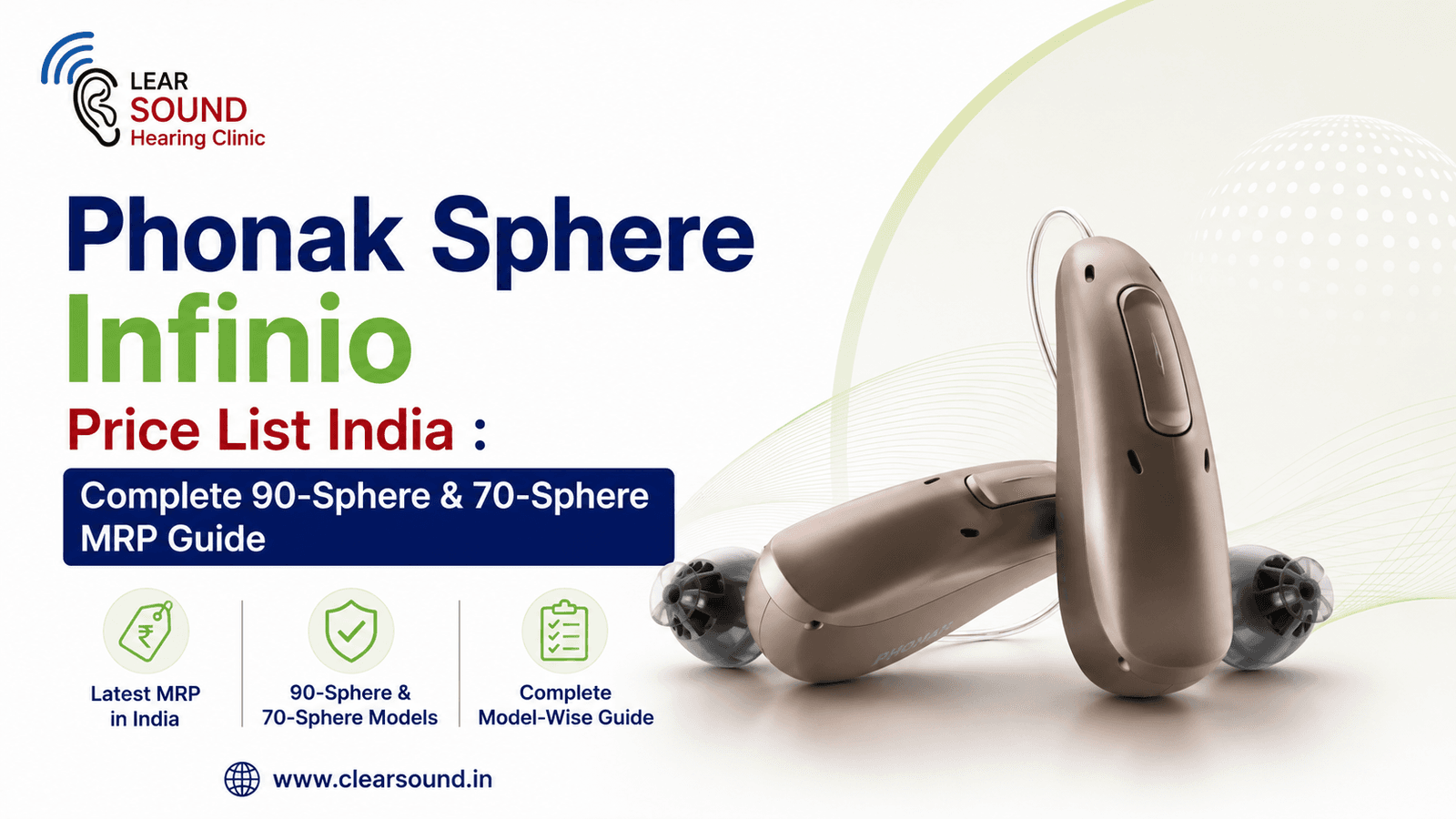
| Phonak | Audéo Infinio I90-R | ₹3,47,000 | Per Ear |
| Oticon | Intent 1 MiniRITE | ₹4,25,000 | Per Ear |
| Widex | Allure 440 RIC | ₹4,08,000 | Kit Price |
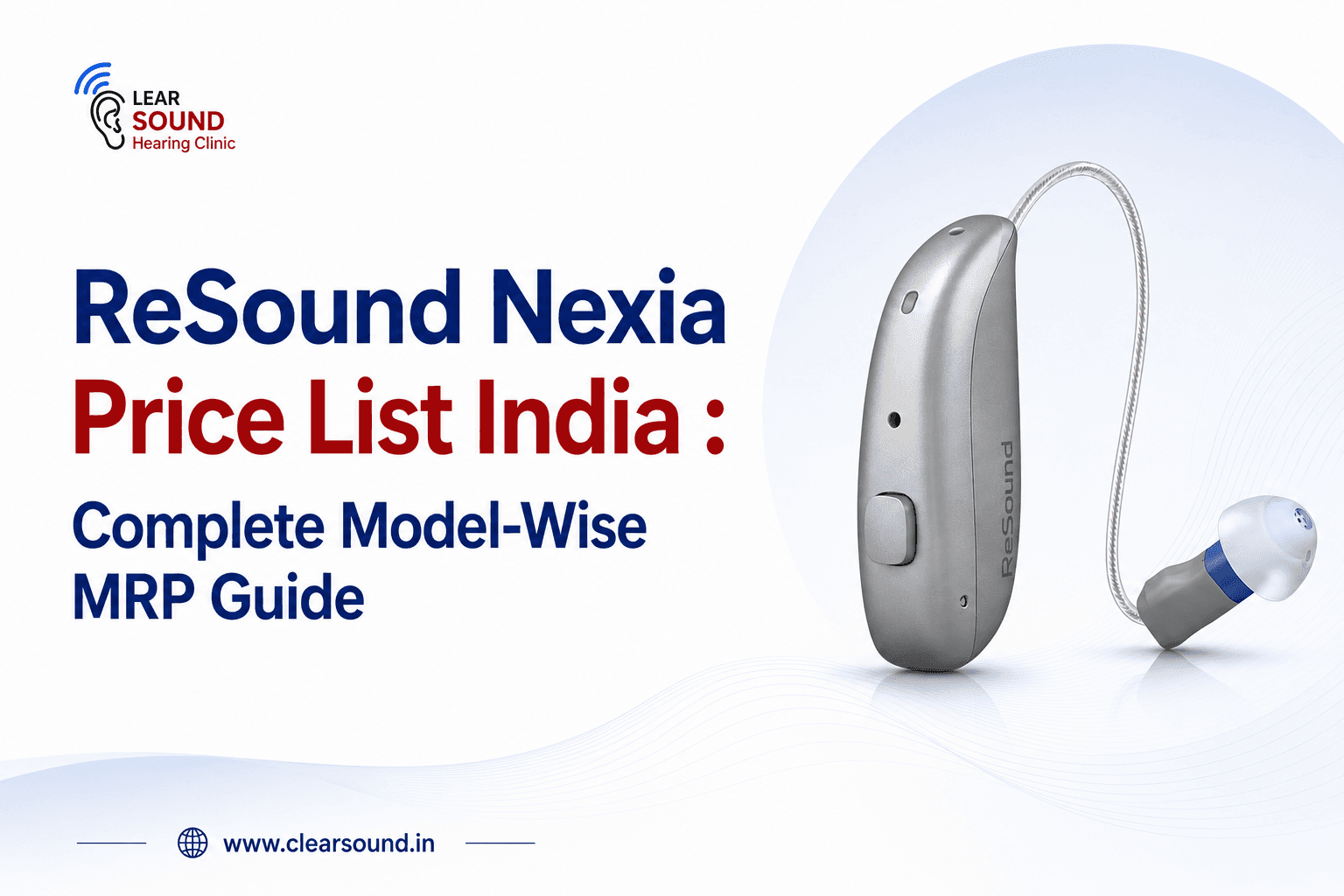
| ReSound | Vivia 9 MicroRIE | ₹4,55,495 | 1 Hearing Aid + Charger |
| Starkey | Genesis AI 24 RIC RT | ₹3,90,000 | Per Ear |
Analog Hearing Aid Price List
Although most leading hearing aid manufacturers now focus on digital technology, basic analog hearing aids are still available through some local manufacturers and distributors. These devices offer simple sound amplification without advanced digital processing, Bluetooth connectivity, or AI-powered features.
| Hearing Aid Type | Suitable For | Approx. Price |
|---|---|---|
| Pocket Analog Hearing Aid | Mild to Moderate Hearing Loss | ₹1,000 – ₹3,000 |
| Basic BTE Analog Hearing Aid | Mild to Moderate Hearing Loss | ₹2,500 – ₹6,000 |
| Programmable Analog BTE | Mild to Moderate Hearing Loss | ₹5,000 – ₹10,000 |
| High-Power Analog BTE | Moderate to Severe Hearing Loss | ₹8,000 – ₹15,000 |
Note: Analog hearing aids are now uncommon and are mainly available from local manufacturers or generic brands. Most international hearing aid companies have shifted entirely to digital technology.
Digital vs Analog Hearing Aid Price Comparison
| Feature | Digital Hearing Aids | Analog Hearing Aids |
|---|---|---|
| Starting Price | ₹25,000+ | ₹1,000+ |
| Premium Price | ₹4,50,000+ | ₹15,000 |
| Sound Processing | Digital Signal Processing (DSP) | Simple Analog Amplification |
| Speech Clarity | Excellent | Basic |
| Noise Reduction | ✔ Advanced | ✖ No |
| Bluetooth Connectivity | ✔ Yes | ✖ No |
| Rechargeable Models | ✔ Available | ✖ Not Available |
| Smartphone App | ✔ Yes | ✖ No |
| AI Features | ✔ Available | ✖ No |
| Custom Programming | ✔ Highly Customizable | Limited |
| Best For | Everyday use, noisy environments, professionals | Basic sound amplification, low-budget users |
What Are Digital Hearing Aids?
Digital hearing aids use advanced microchips to convert sound waves into digital signals. These signals are processed and customized based on your hearing loss pattern.
Key Features of Digital Hearing Aids:
- Noise reduction technology for clearer conversations
- Bluetooth connectivity with smartphones and TVs
- Custom sound programming based on audiogram
- Multiple listening modes (quiet, noisy, outdoor)
- Feedback cancellation to eliminate whistling sounds
Ideal for people who want high performance, clarity, and smart features.
What Are Analog Hearing Aids?
Analog hearing aids amplify all sounds in a continuous signal. They make both speech and background noise louder without differentiating between them.
Key Features of Analog Hearing Aids:
- Simple amplification of all sounds
- Manual volume control
- Lower cost compared to digital models
- Basic functionality without smart features
Suitable for people looking for a budget-friendly and simple solution.
Digital vs Analog Hearing Aids: Key Differences
| Feature | Digital Hearing Aids | Analog Hearing Aids |
|---|---|---|
| Sound Processing | Converts sound into digital signals | Amplifies continuous sound |
| Sound Quality | Clear, precise, customizable | Basic, less refined |
| Noise Reduction | Advanced noise filtering | No noise separation |
| Connectivity | Bluetooth, apps, smart devices | No connectivity |
| Customization | Highly customizable | Limited adjustments |
| Price Range | Higher | Lower |
| User Experience | Modern and intelligent | Simple and manual |
Pros and Cons
Advantages of Digital Hearing Aids:
- Better speech clarity in noisy environments
- Smart features like app control and AI adjustments
- Comfortable listening experience
- Future-ready with connectivity options
Disadvantages:
- Higher cost
- Requires programming and maintenance
Advantages of Analog Hearing Aids:
- Affordable option
- Easy to use with minimal setup
- Reliable basic amplification
Disadvantages:
- Poor performance in noisy environments
- No advanced features or customization
- Less natural sound quality
Which One Should You Choose?
Choosing between digital and analog hearing aids depends on your lifestyle, budget, and hearing needs.
Choose Digital Hearing Aids if:
- You frequently talk in noisy environments
- You want Bluetooth and smart features
- You need customized sound settings
- You prefer better clarity and comfort
Choose Analog Hearing Aids if:
- You are on a tight budget
- You need a basic hearing solution
- You don’t require advanced features
Final Verdict
In today’s world, digital hearing aids are the preferred choice for most users because of their superior sound quality and smart capabilities. However, analog hearing aids still hold value for those seeking a simple and cost-effective solution.
FAQs

1. Are digital hearing aids better than analog?
Yes, digital hearing aids offer better sound quality, noise reduction, and customization, making them more effective in most situations.
2. Why are digital hearing aids more expensive?
They include advanced technology, processors, and smart features like Bluetooth connectivity and AI-based adjustments.
3. Can analog hearing aids still be used today?
Yes, but they are less common and mostly used by people who prefer basic amplification.
4. Do digital hearing aids require apps?
Not necessarily, but many models offer apps for better control and personalization.
5. Which hearing aid is best for seniors?
Digital hearing aids are usually better for seniors due to their ease of use, clarity, and automatic adjustments.